


How to Choose a Video Production Company


Choose a video production company by matching the kind of company to the kind of story you need told, then asking every finalist the same seven questions and comparing the answers. Most bad hires go wrong at the first step. A brand hires an agency when it needed a documentary crew, or a documentary crew when it needed an animator, and no amount of talent fixes the mismatch.
A disclosure; we’re Storyteller Studios, a documentary video production company in Springfield, Illinois, and we’d love to be on your shortlist. This guide also tells you when we shouldn’t be.
Start with the kind of company
Three kinds of companies make most professional video, and each is good at something different.
- A documentary crew films real people telling true stories. Pick one when the heart of your story is a customer, an employee, a founder, or someone your work changed.
- An animation studio draws what a camera can’t film. Pick one when you’re explaining a product, a process, or an idea.
- An agency plans campaigns and produces many kinds of content. An agency fits when you need many things done adequately.
Plenty of companies claim all three. Ask which one is their true specialty.
Seven questions to ask every finalist
Ask each company the same questions and note how they answer. The differences show up fast.
1. Who will be on site?
A good answer names people. Some companies sell the project and send freelancers, often hired for the day. Ask whether the crew is on staff and whether you’ll meet them before the shoot.
2. Can you show me a film like mine, and what happened after it was published?
Anyone can show you a pretty film. Fewer can tell you what it did. Good answers have numbers in them, such as views, dollars raised, or applications received.
3. How do you work with people who have never been on camera?
Most of the people in your film will be nervous. Listen for a proven method to getting the best out of them.
4. What does it cost, and what moves the number?
A company that knows its business can give you a range on the first call.
5. What do you need from us, and when?
Good companies do the heavy lifting and tell you plainly what your part is. Expect a planning step where you settle the goal, the audience, and who goes on camera.
6. How many rounds of changes are included?
Get the number in writing ahead of time. Ask what counts as a round, and what happens when your boss’s boss sees the film late and has thoughts.
7. Who owns the finished film and the footage?
You should own the finished film outright. Raw footage is a separate question, so ask how long they keep it and what it costs to get it later.
Red flags
- No prices on the website and no range on the first call
- A reel of beautiful shots with no complete films to watch
- Vague answers about who shows up on shoot day
- A proposal that arrives before anyone asks about your audience
- Results described only in adjectives
What it should cost
Most professional video production costs $5,000 to $50,000+, and most of our own projects land under $20,000. The number moves with filming days, locations, travel, and how many finished films you need. Animation prices differently, usually by length and complexity. Our pricing guide breaks down each part.
Be careful with the lowest bid. A cheap film nobody watches costs more than a good one that works.
How we answer our own questions
Handing you a quiz we haven’t taken would be rude. Here are our answers.
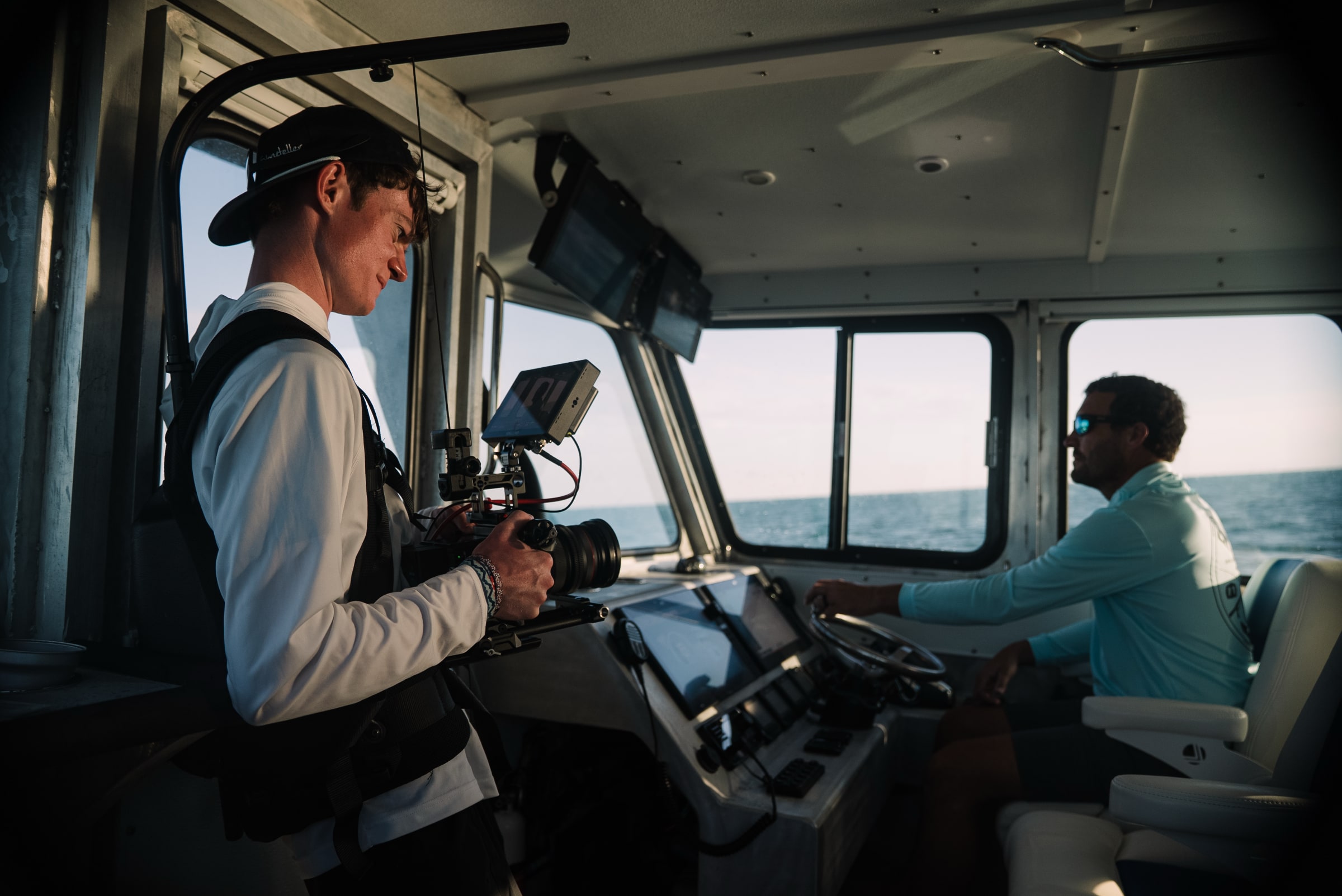
- Who’s on site? Our own crew of six, with six degrees among us in film, journalism, communication, and cinematography. No freelancers.
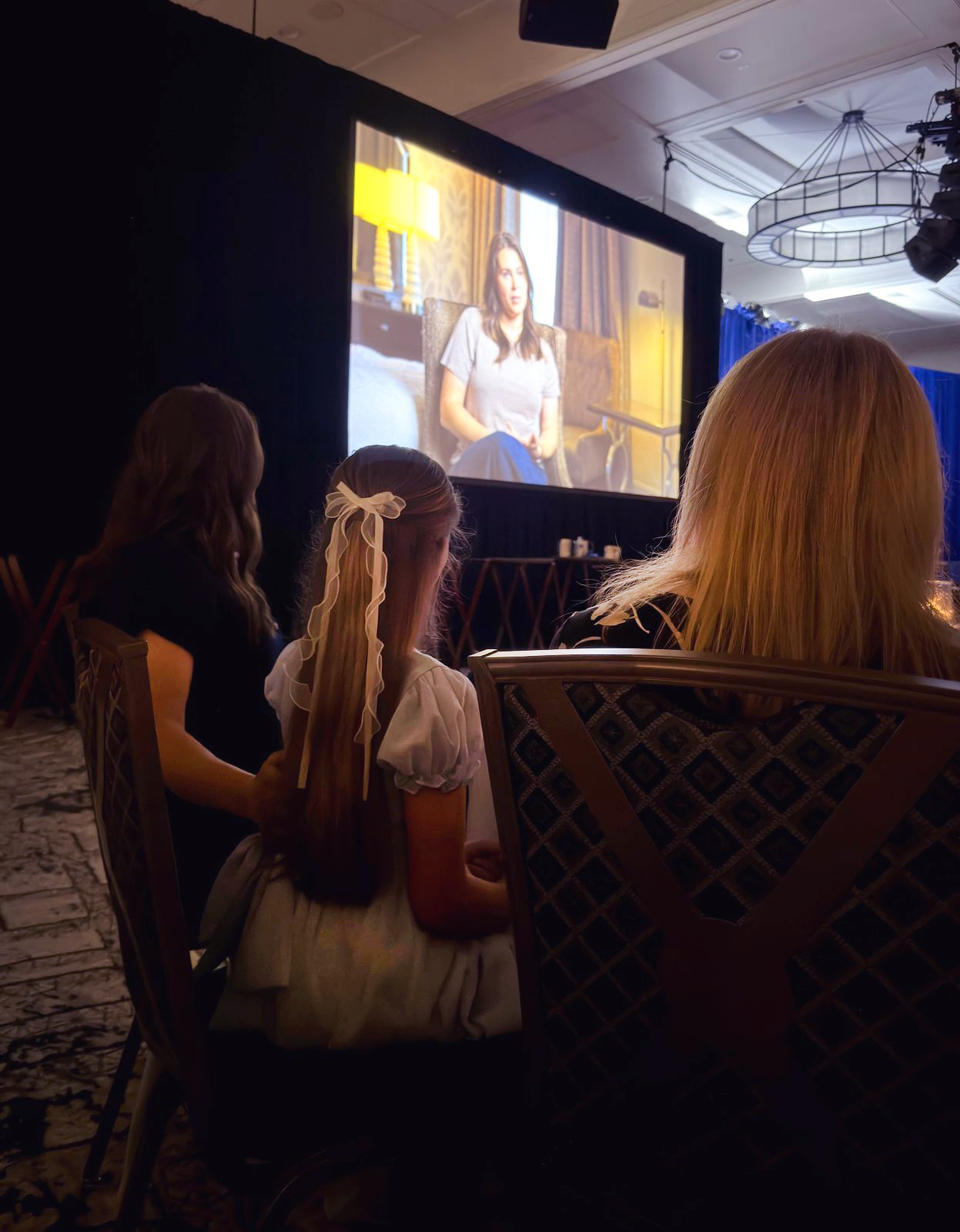
- A film like yours? We’ve made 700+ projects across 23 states. One customer story for Dometic Marine earned 300,000 views. One fundraising film helped The National Children’s Cancer Society grow its gala paddle raise from $80,000 the year before to more than $300,000.
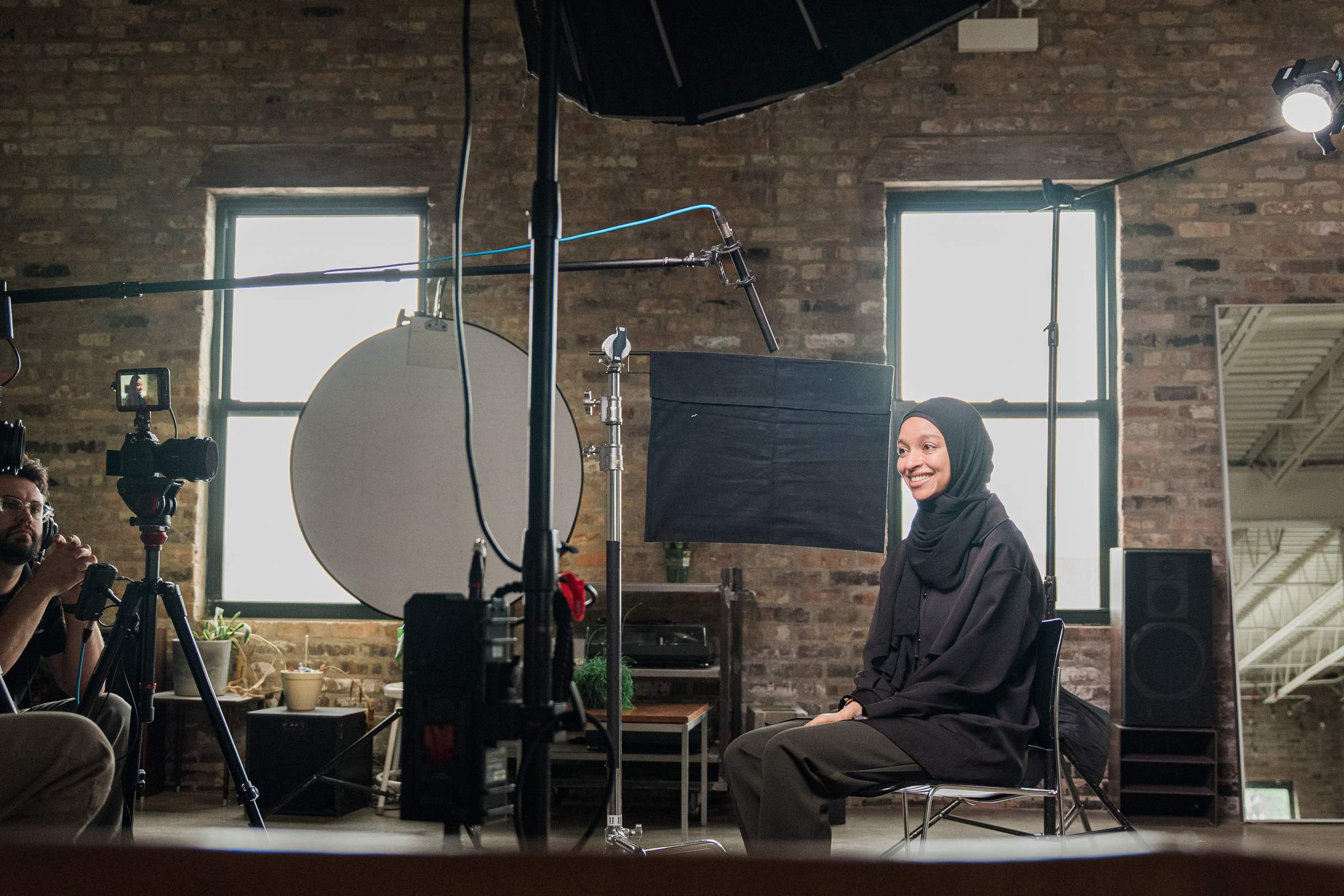
- People new to cameras? Nobody memorizes anything. We interview people in a real conversation and build the film from what they actually say. No scripts, no actors, no teleprompter.
- Cost? $5,000 to $50,000+, published on our site.
- What we need from you? One planning guide, one planning call, and your people for an unhurried interview.
- Changes? Two rounds of revisions are included, and it’s in the agreement you sign.
- Ownership? You own the finished films once the project is paid. We archive your raw footage for two years.
The work has earned 15 Regional Emmy® recognitions since 2020, six of them wins.
When to hire someone else
We’re the wrong choice in a few cases, and you should hear it from us.
- You want actors reading lines
- You need a finished film next week (we book three to six weeks out)
- The lowest bid is the deciding factor
- You need someone to run your ads and social accounts
If you’re hiring for a nonprofit, our nonprofit hiring guide covers the fundraising side. If you’d like names, we keep a list of nonprofit video production companies worth your shortlist.
Frequently asked questions
What is the difference between a videographer and a video production company?
A videographer is usually one person with a camera. A video production company brings a crew, a producer, a planning process, and an editor. One person can be the right call for a simple shoot. A film meant to change hearts and minds usually needs the crew.
Should I hire a local video production company?
Hire for fit first and distance second. A regional crew within a day’s drive often costs less than a national company that flies in. We’re in Springfield, Illinois, with Chicago, St. Louis, Indianapolis, and Kansas City all within a day’s drive.
How many video production companies should I get proposals from?
At least three. You will encounter a wide range of pricing, capability, and capacity. The cheapest one carries hidden risks. Hire for fit first.
How far ahead should I book a video production company?
Plan on a few weeks at minimum. We book projects three to six weeks ahead, depending on the season, and we reply to every inquiry within one business day. The most available option on short notice also carries hidden risks.
If a documentary crew sounds like the right kind of company, tell us about your project.



we're storyteller studios
documentary-style film for brands & causes
In 2013, we started leveraging the power of documentary-style film for brands and causes in our hometown of Springfield, Illinois (hence our affinity for Lincoln).
Since then, we’ve worked with clients nationally and traveled to cities including Chicago, St. Louis, Kansas City, Indianapolis, Louisville, and Des Moines.
No matter where you are, we’d be honored to serve your brand next.
featured post
The 7 Types of Videos People Watch and Share the Most
Some video types reliably outperform others. Here's the framework we use to choose the right format for each project, and why story-driven choices outperform formula every time.
