


Legacy Video: More Than History


Eric and David Floyd have kept Springfield’s European cars on the road since 1994. Now Floyd Imports is passing to the next generation. Most shops would mark that with a cake in the break room. Floyd Imports made a documentary.
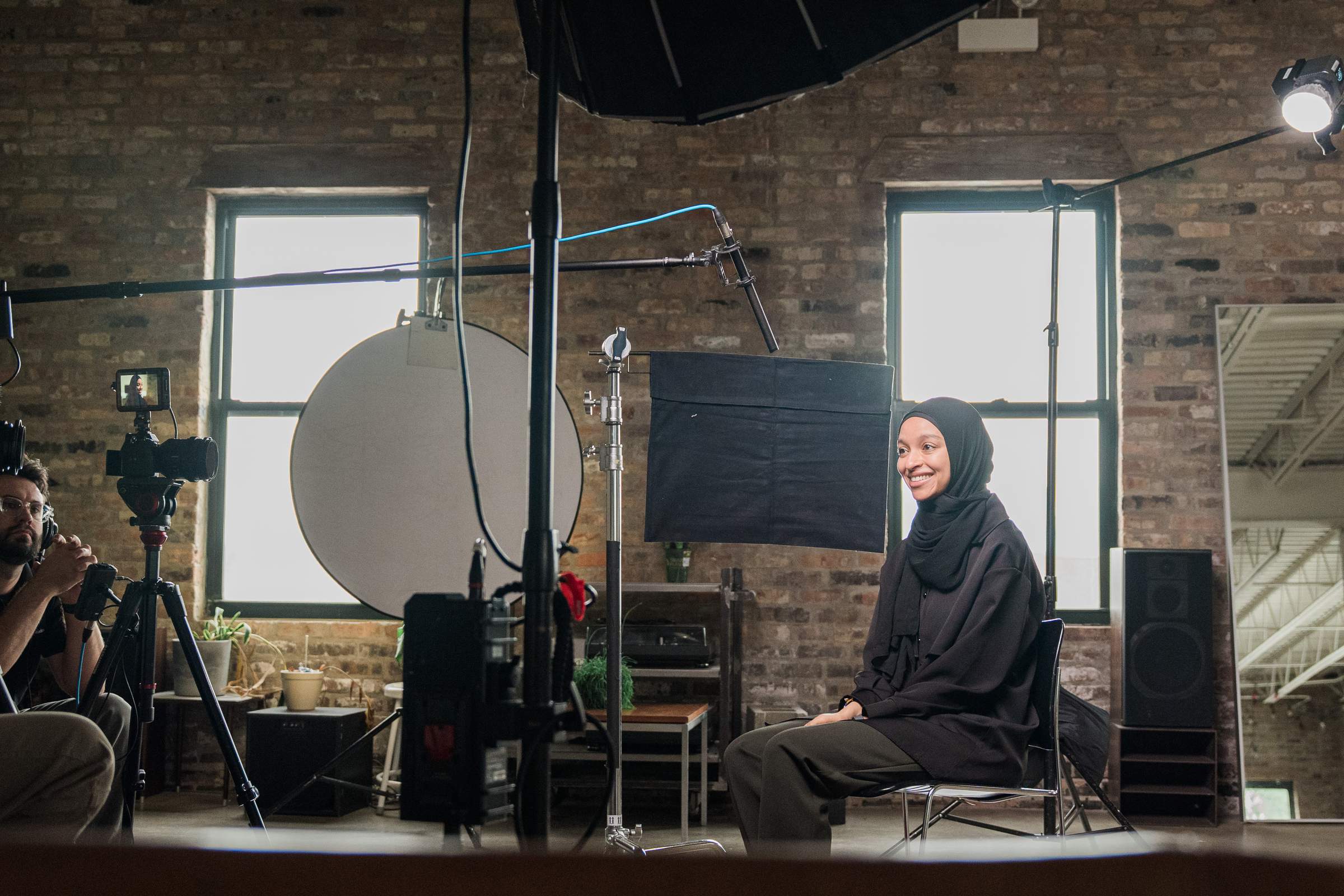
No script, no narration, no actors. We interviewed Eric, Dave, Andy, the crew, and the Breakfast Club, a group of longtime customers who’ve met at the shop every Friday morning for years, and we let them tell the story. The film premiered August 21, 2026 at the Route 66 Drive-In, at a free community movie night the shop hosted. Customers came out to watch a short film about their mechanic.
That’s a legacy video. It’s more than nostalgia. It’s a record of who built something and why, made while the people who built it are still around to say so.
What Is a Legacy Video?
A legacy video is a short documentary about a person, a family, or an organization, built from interviews with the people who lived the story. Families make them to hold onto a parent’s voice and the way they told things. Companies make them when a founder retires, a milestone arrives, or the next generation takes over. Nonprofits make them to honor the person whose name is on the building, or to show a new board what the mission looked like at the start.
The difference between a professional legacy video and a home video is intention. Somebody has to sit with the people who were there, ask the right questions, and shape hours of memory into a story a stranger can follow in a few minutes.
Why It Matters to a Business
A brand video tells a customer what you do. A legacy video tells them who you are and how you got here, in the voices of the people who were there. Customers trust the second kind of story more, because nobody can fake it.
It also solves a problem most owners don’t see until it’s too late. When a founder leaves, the business doesn’t just lose a person. It loses the one who could explain, without notes, why things are done the way they’re done. A legacy film puts that explanation on the record. A new owner, a new hire, or a customer’s grandkid can watch it ten years from now and understand exactly what they’re part of.
What Goes Into One
Every legacy video is different because every story is different, but the ingredients are consistent:
- Interviews with the people who lived it, unscripted and unrehearsed
- Old photos, letters, and archival footage when they exist
- Documentary cinematography of the place and the work as it happens
- Music chosen to fit the story
- An edit that finds the through-line and cuts everything else
The interviews do the narrative work. Everything else supports them.
Who Makes Them
Legacy videos are for:
- Family businesses with a founder nearing retirement or a generation about to take over
- Organizations marking a 25th, 50th, or 100th year
- Nonprofits honoring a founder, a longtime leader, or the person the mission is named for
- Families who want a parent’s or grandparent’s story told well and kept
We made one for the Glut1 Deficiency Foundation honoring Dr. Darryl De Vivo, the physician whose work defined the disorder. Families whose children he treated sat down and told us what he meant to them.
What It Costs and How to Start
Most legacy films run $5,000 to $15,000, depending on how many people we interview, how much archival material there is to work with, and where the story takes us. You don’t need a script or a storyboard. You need the people who were there and a team that knows how to interview them.
Someday tends to arrive late. The film is easier to make while everyone is still around to be in it.
READ LATEST
the




we're storyteller studios
documentary-style film for brands & causes
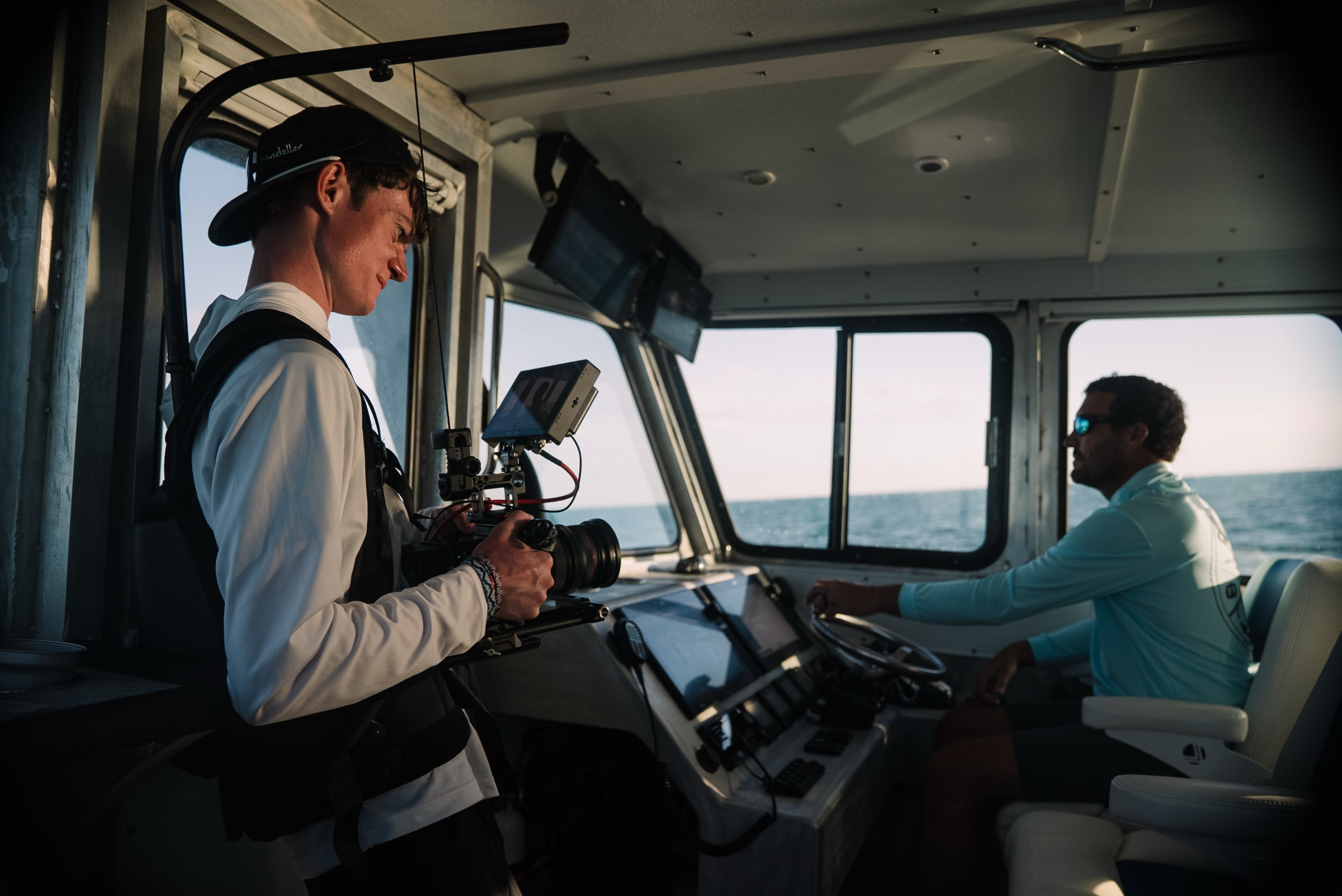
In 2013, we started leveraging the power of documentary-style film for brands and causes in our hometown of Springfield, Illinois (hence our affinity for Lincoln).
Since then, we’ve worked with clients nationally and traveled to cities including Chicago, St. Louis, Kansas City, Indianapolis, Louisville, and Des Moines.
No matter where you are, we’d be honored to serve your brand next.
featured post
The 7 Types of Videos People Watch and Share the Most
Some video types reliably outperform others. Here's the framework we use to choose the right format for each project, and why story-driven choices outperform formula every time.
