


How to Hire a Video Production Company for Your Nonprofit


You’re not really buying a video. You’re buying the few minutes before the appeal, when the room goes quiet and people decide whether to give.
It’s hard to be certain when the proposals arrive. They’ll all promise a beautiful film, and most of them will deliver one. The harder question is which one will do the job you need done in that room.
This guide is for development directors and executive directors who’ve already decided to hire a professional and now need to choose. We’ve been making fundraising films for nonprofits for 13 years, and this is the advice we’d give a friend.
Read more about our approach to video storytelling for nonprofits or keep reading about how we think about the hiring question below. We all want to be better stewards of our precious donor dollars.
The Three Kinds of Companies You’ll Meet
Every proposal you receive will come from one of three places. Each does something well. They just aren’t interchangeable.
The videographer
One person, one camera, often with a wedding or event background. Affordable, quick, and a good fit for recaps and social clips. Fundraising films lean on interviews, though, and sitting with a parent about the hardest year of their life is a different skill than covering a reception.
The agency
A creative director, a writer, a brand deck, and a crew assembled for the day. Polished and consistent with your other materials. The thing to watch for is a script written before anyone has met the people you serve. Real voices tend to get lost when the words arrive first.
The documentary crew
A small team that films without a script, sits with real people, and builds the story from what they actually say. Slower to make and harder to plan around, but this is where the unrepeatable moments come from. This is what we do, so read the rest with that in mind. The point isn’t that one kind is right. The point is to know which one you’re hiring, because the proposal usually won’t say.
Six Questions to Ask Before You Sign
The answers to these tend to sort things out.
1. Who will be on site the day we film?
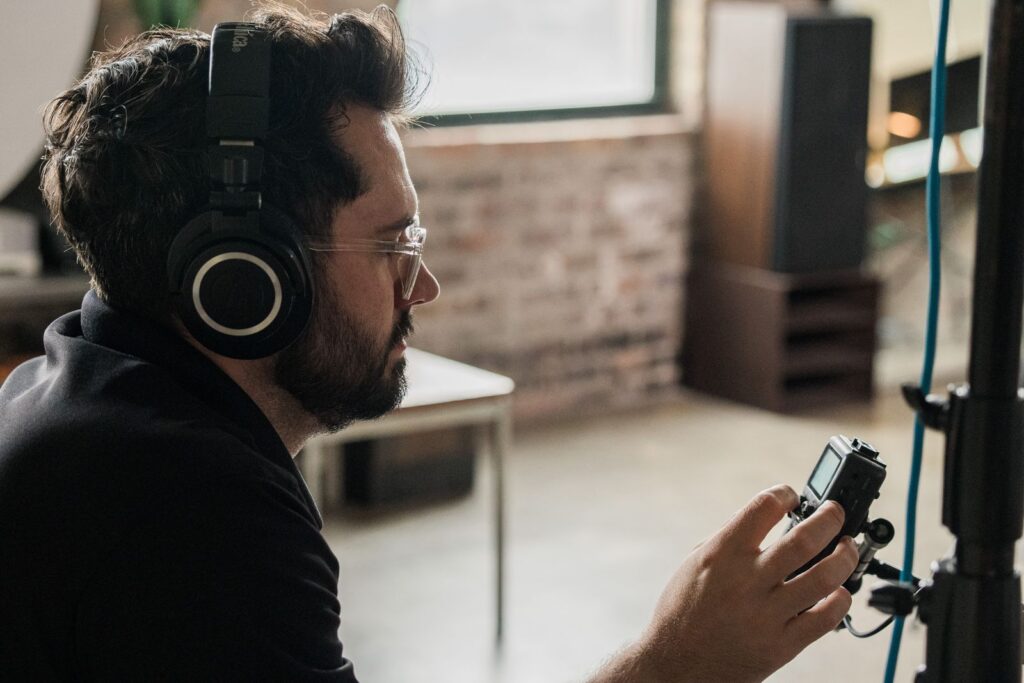
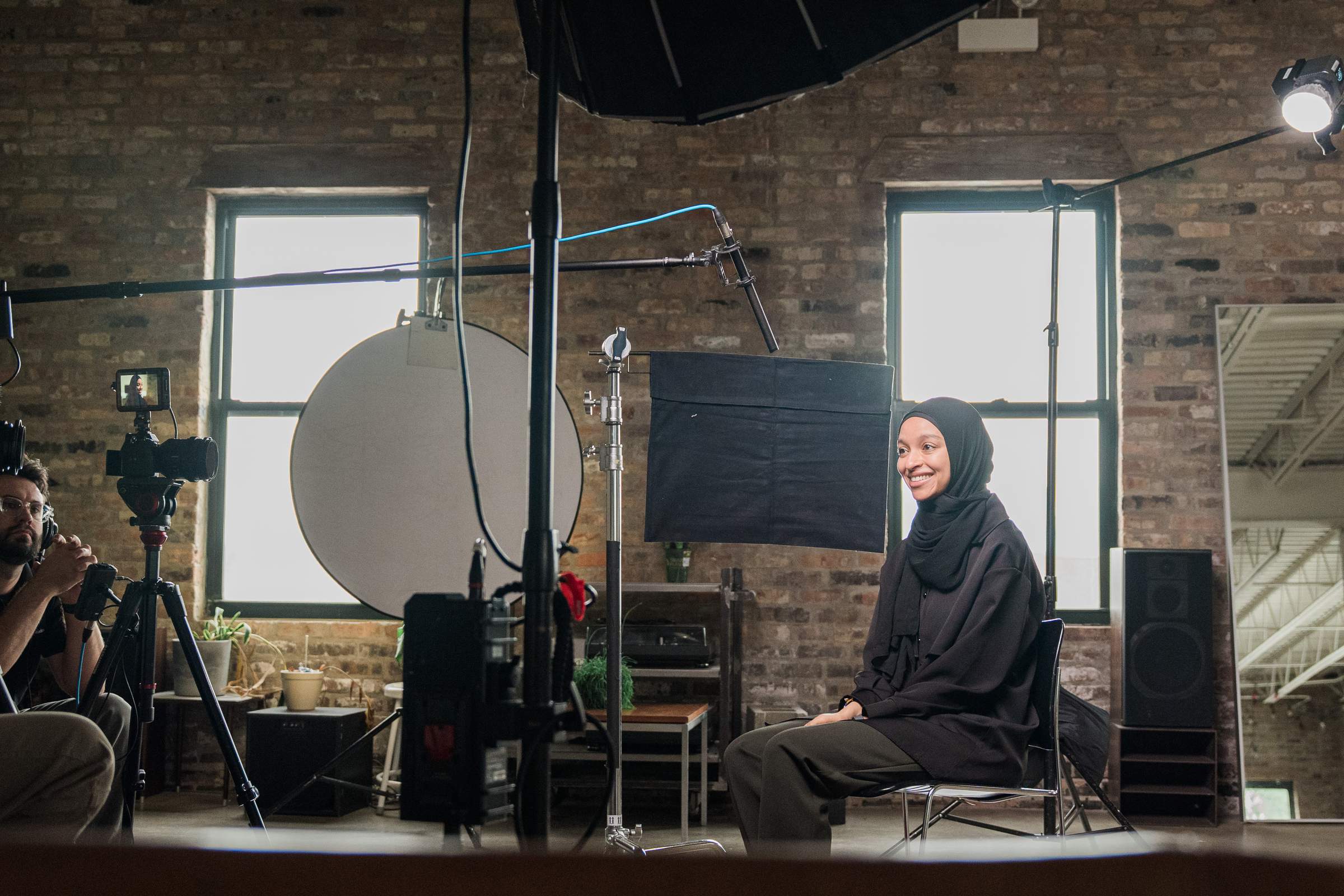
Most studios divide the work. One person handles the proposal and the planning, and a crew handles the filming. That’s normal and usually a good sign, since it means specialists are doing their part. The question underneath is whether the crew is the company’s own people or freelancers hired for the day. Both can do good work. A full-time team has simply been in the same rooms together before, and it shows in how smoothly things run. We’re a team of six, and everyone who touches your project works here. Ask who you’ll be planning with, who’ll be holding the camera, and how those two groups talk to each other.
2. How do you handle the interviews?
Some teams script them. Some prepare questions and let the conversation go where it goes. Neither is wrong, but they produce very different films. Ask which one you’re getting.
3. Can we see a fundraising film and hear how it did?
Every company has a reel. Ask instead for one film that played before a live appeal, and what happened after. If a team has that story, they’ll tell it. If they don’t, that’s useful to know.
4. What happens if someone we’ve lined up changes their mind?
This happens sometimes, and it’s nobody’s fault. The answer you want is patience, no pressure on the family, and help finding the next story.
5. What comes out of one filming day?
A single shoot can produce the gala film, a short version for email, and a vertical cut for social. Ask what’s included and what’s extra, so there are no surprises later.
6. Who owns the finished films and the footage?
You should own the finished films once the final invoice is paid. Raw footage is usually handled separately, and every company has its own policy. Ask for it in writing.
What It Costs
Most nonprofit video projects range from $5,000 to $20,000. The number moves for three reasons.
How many filming days you need. One day covers one family and your staff. Two days covers two families, or one story across two seasons.
How far the crew travels. Filming in your building costs less than filming at a family’s home three hours away.
How many versions you want. One film is cheaper than one film plus four cuts of it, though the extra cuts are where a lot of the long-term value lives.
Here’s more detail from us on realistic video production budgets.
Price matters, and we’d never pretend otherwise. It’s just not the whole picture. A film that plays to a room of bored and distracted people costs you the appeal. A film that moves hearts effectively pays for itself the same night.
One Client Who Measured It
HavenHouse St. Louis houses families whose children are receiving care at St. Louis Children’s Hospital. Their gala, HopeFest, hinges on one moment, the family film that plays right before the appeal. They’d been making that film for years. Then they changed one thing.
Same event structure, same flow, same marketing reach, same family-story format. The only thing that changed was the storyteller. Three years later, our annual gross has nearly doubled, and the paddle raise moment that follows the video has more than quadrupled. The Storyteller team is world class.
— Brooke Noecker, Director of Development, HavenHouse St. Louis
We share it because it’s the cleanest test of our approach that we’ve seen. Ask the companies you’re considering if they have a story like it.
A Few Things to Watch For
None of these are dealbreakers on their own. Together they’re a pattern.
- A script arrives before anyone has met the people you serve.
- The proposal doesn’t say who’ll be on site.
- The price comes before the question of where the film will play.
- The portfolio is mostly products and very few faces.
- The conversation is about gear and resolution instead of people.
What To Do Next
Most of our favorite projects start with someone who already knows what they want and needs a second opinion on who should make it. A short call is usually enough.
Frequently Asked Questions
How much does a nonprofit fundraising video cost?
Most nonprofit video projects range from $7,000 to $25,000, depending on filming days, travel, and how many versions you need.
How long does it take to make a fundraising video?
Most projects take six to eight weeks from planning to delivery. Booking three months ahead of your event leaves room to find the right story.
Should a nonprofit video have a script?
It can, but the strongest fundraising films usually come from real conversations. Ask how each company approaches interviews before you decide.
What should I ask a video production company before hiring them?
Who’ll be on site, how they handle interviews, what one of their films raised, what happens if a subject backs out, what comes out of one filming day, and who owns the footage.
Do we own the video when it’s done?
You should own the finished films outright once the final invoice is paid. Raw footage is usually a separate policy, so ask each company for theirs.




we're storyteller studios
documentary-style film for brands & causes
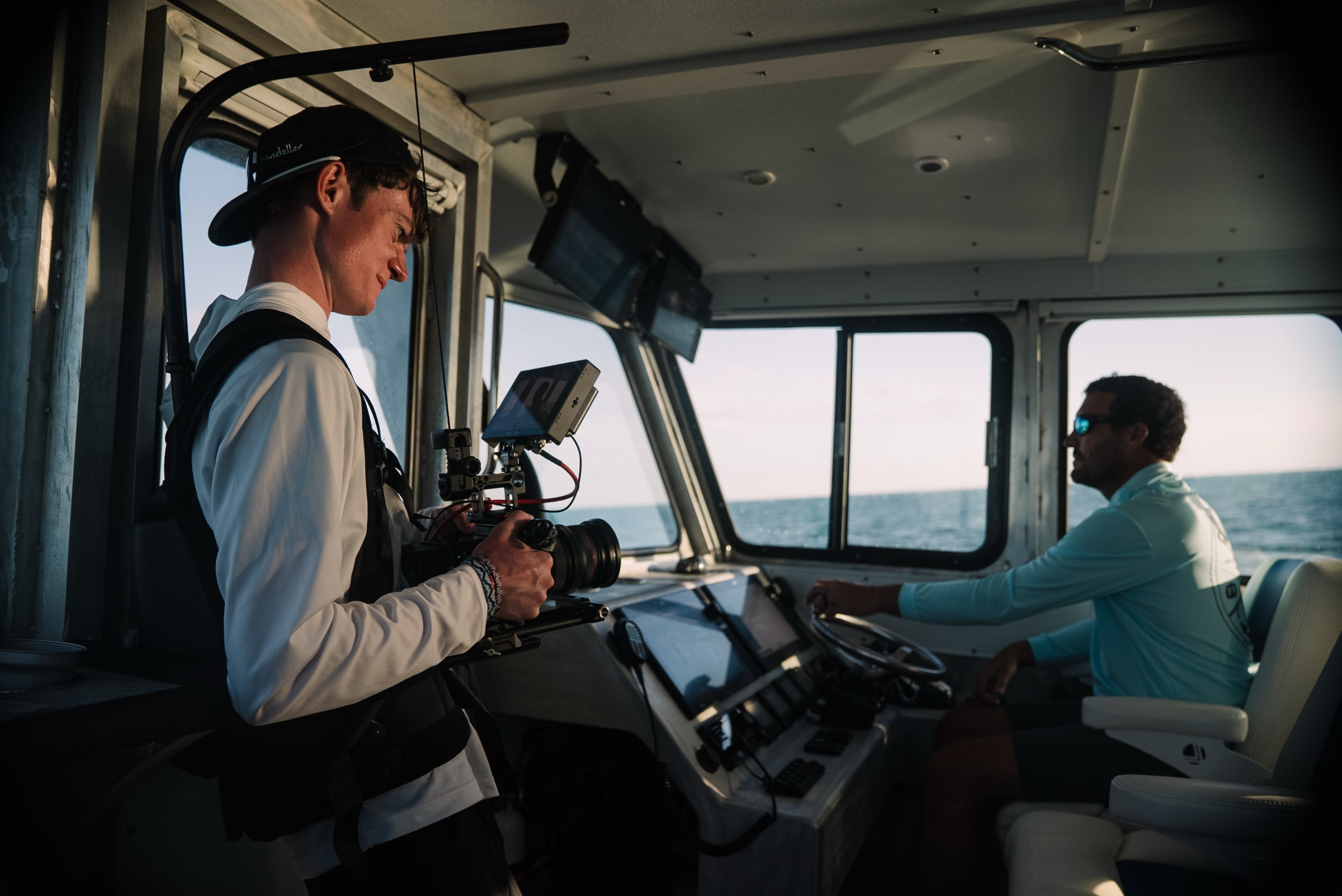
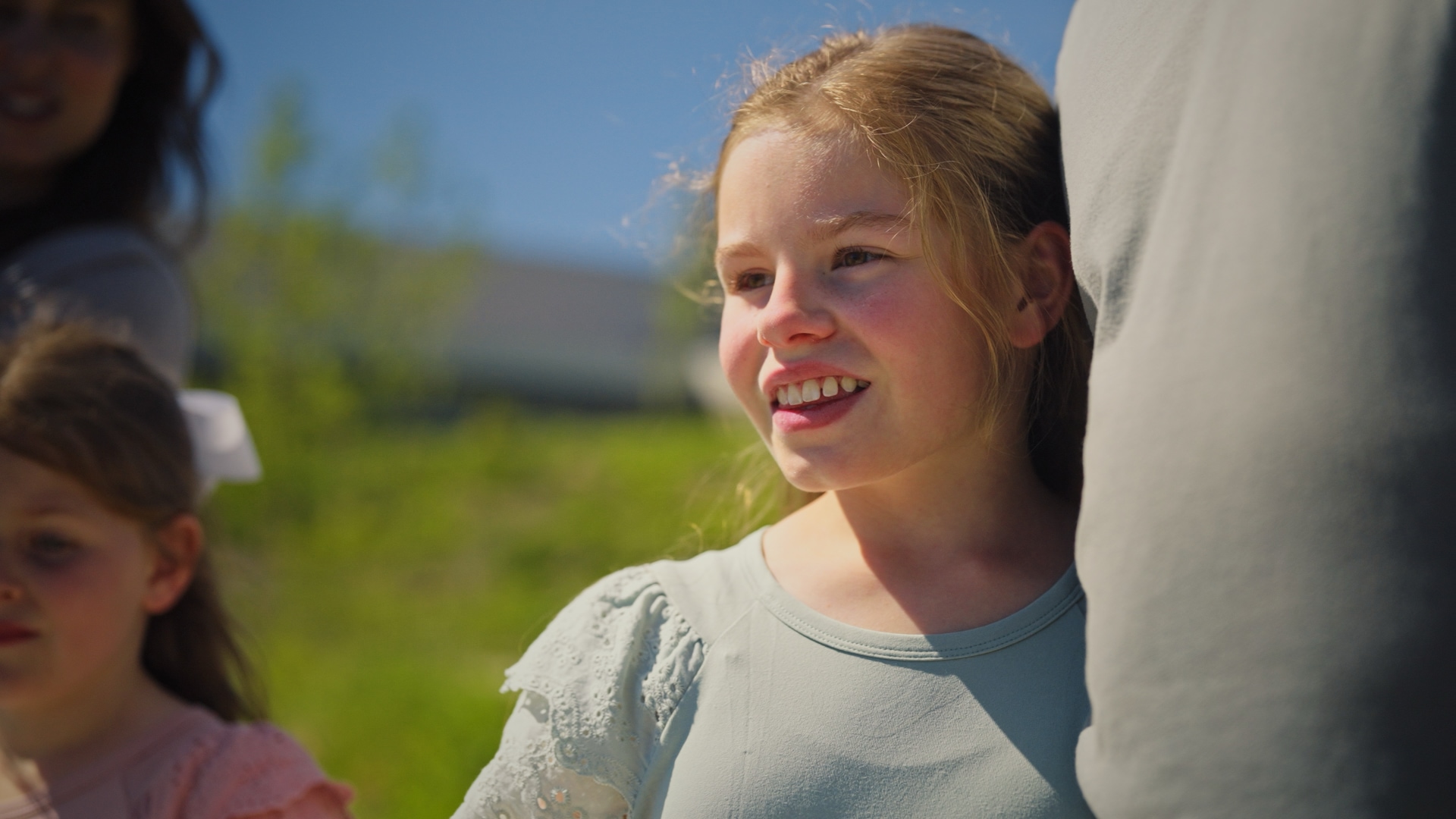
In 2013, we started leveraging the power of documentary-style film for brands and causes in our hometown of Springfield, Illinois (hence our affinity for Lincoln).
Since then, we’ve worked with clients nationally and traveled to cities including Chicago, St. Louis, Kansas City, Indianapolis, Louisville, and Des Moines.
No matter where you are, we’d be honored to serve your brand next.
featured post
The 7 Types of Videos People Watch and Share the Most
Some video types reliably outperform others. Here's the framework we use to choose the right format for each project, and why story-driven choices outperform formula every time.
