


One Film, Two Five-Figure Gifts: The National Children’s Cancer Society


Two guests at the National Children’s Cancer Society’s annual gala raised their paddles for five-figure gifts this June. Their table sponsor traced both to one thing. The film.
And it never explicitly asked them to.
Getting kids to treatment
The National Children’s Cancer Society helps families across the country get a child battling cancer to treatment. Flights, lodging, gas, rent, meals. The unglamorous logistics that decide whether a kid makes it to a hospital 18 hours from home.
Childhood cancer is the leading cause of death by disease among children in the United States. The research is remarkable. The treatments are remarkable. None of it matters if a family can’t get there.
One family. No script.
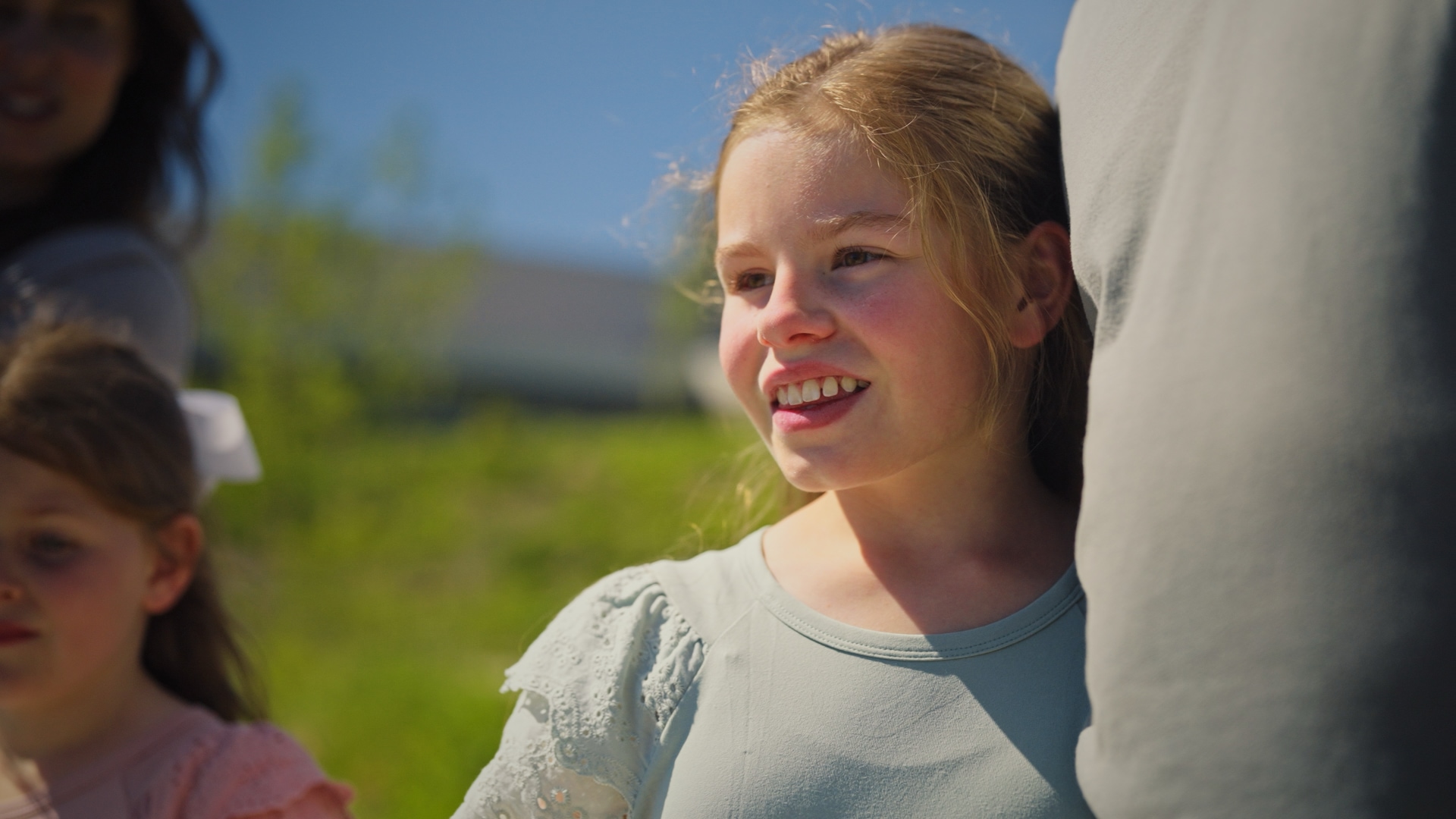
Amelia Darch was nine months old when her pediatrician spotted a white reflection in her right eye at a routine checkup. The diagnosis was retinoblastoma, a rare eye cancer. Treatment meant traveling from Joplin, Missouri, to New York City every four weeks. Her family has made close to 40 trips. The NCCS paid for every flight.
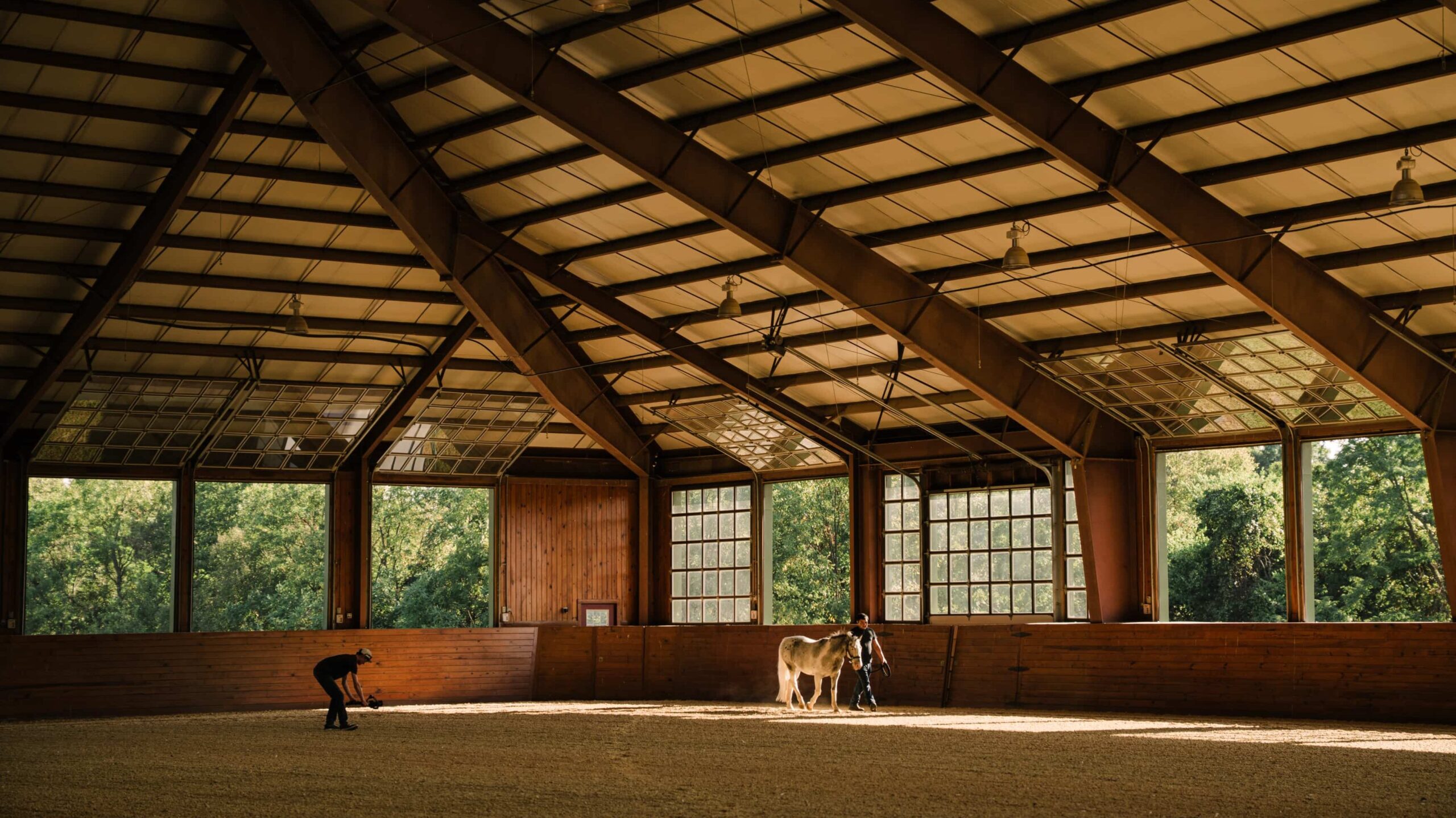
Amelia is nearly seven years into remission now. She rides horses. She loves to read.
We sat with the Darches and let them talk. No narrator. No script. The film is their voices and their authentic story, and this one line from Amelia’s mom captures the mission of NCCS in her own words.
“We didn’t have to make the impossible decision of… do we get care for our child, or do we pay bills?“
The film never asked.
The gala cut contains no explicit call to action. No donation language. No number on a screen while the music swells. That was a choice we made with the NCCS team, on purpose.
A gala room already knows why it’s there. Donors don’t need a pitch from the film. They need a reason to believe. Tell them a story of impact, honestly and authentically, and trust them to do the math themselves.
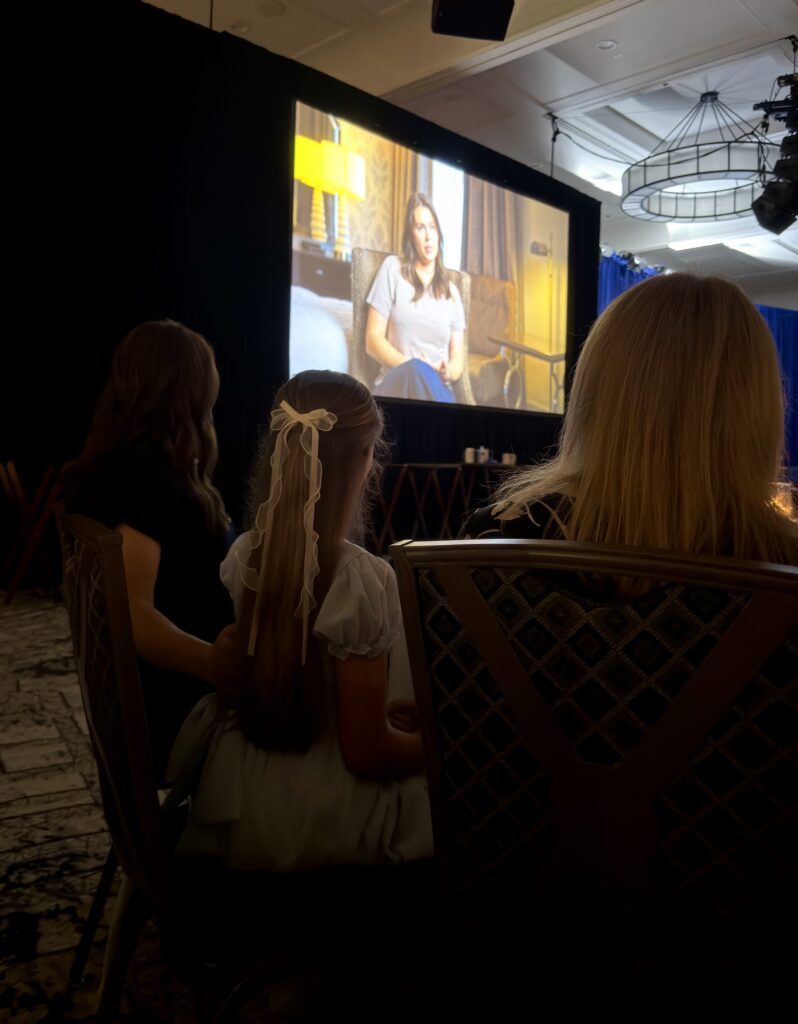
Just over 500 guests watched Amelia’s story on the big screen. Then the paddles went up. A table sponsor reported afterward that two of his guests were so moved, both in tears, that each raised a paddle for a five-figure gift. He credited the film alone.
Two five-figure gifts, traced to one story. And those are only the gifts we heard about. There were more. 300,000 dollars in about 10 minutes.
You won’t see us in it
The film didn’t inspire those gifts. The Darches did. A room full of strangers watched a mother and father tell the truth about the worst year of their family’s life, and they responded the way people do.
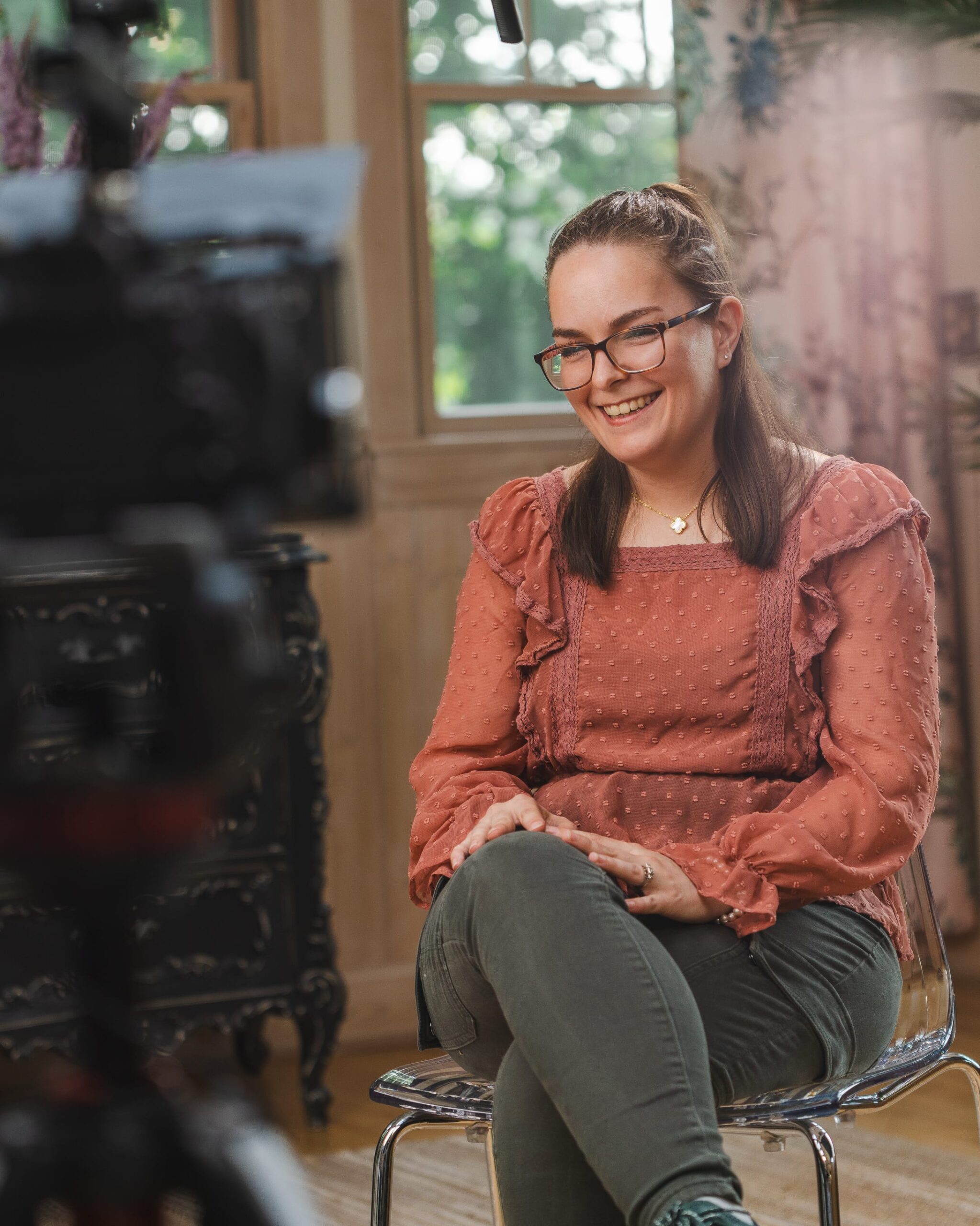
Our contribution was subtraction. You never hear our questions. You never feel a camera in the room. Nothing explains what to think, and nothing performs. Everything that could stand between the audience and the family got moved out of the way, on purpose, so the connection could be direct.
That’s the method, and that’s the difference. Anyone can point a camera at an inspiring family. The craft is in what you don’t notice. When we do our job well, we disappear. A room full of people saw themselves and their own loved ones in the story. The room was given the opportunity to remember, again, that pain is universal and we need each other.
“A long overdue investment”
Elizabeth Payne is the NCCS’s Director of Marketing. Her note to us the Monday after the gala used a word we didn’t prompt.
“This video was a long overdue investment, and I’m so thankful for you and your team for giving us the video we need to raise money for the kids.”
Elizabeth Payne, Director of Marketing, The National Children’s Cancer Society
Investment. Her word.
Nonprofits tend to think of video as an act of faith. Money out the door for feels. All risk, no return. We wrote about this pattern in our HavenHouse St. Louis study, where three years of this method nearly doubled a gala gross and more than quadrupled the paddle raise. The NCCS gala adds more evidence. Gifts traced directly to one film, in one night, and from a film that never explicitly asked for them.
One shoot. Four films.
The gala film was never the only deliverable planned. One shoot produced four cuts, each with a specific purpose:
- A 5-minute film for the gala with no explicit ask
- A 3-minute version that includes the donation language for the website and year-round campaigns
- A 60-second cut for social and email
- A 30-second cut for ads
Watch them now.
The gala lasted one night. The films keep working. The next campaign, the next board meeting, the next donor who wants to understand what the NCCS actually does. That’s the difference between buying a video and making an investment. One has a screening date. The other earns, and earns, and earns.
More like this?
If your nonprofit has a gala on the calendar and a story worth telling well, we should talk. We’ve spent 13 years telling stories like Amelia’s for organizations across 23 states. See more of our fundraising films, then let’s talk about yours.
One story. Told well. That’s all it takes.
READ LATEST
the



we're storyteller studios
documentary-style film for brands & causes
In 2013, we started leveraging the power of documentary-style film for brands and causes in our hometown of Springfield, Illinois (hence our affinity for Lincoln).
Since then, we’ve worked with clients nationally and traveled to cities including Chicago, St. Louis, Kansas City, Indianapolis, Louisville, and Des Moines.
No matter where you are, we’d be honored to serve your brand next.
featured post
The 7 Types of Videos People Watch and Share the Most
Some video types reliably outperform others. Here's the framework we use to choose the right format for each project, and why story-driven choices outperform formula every time.
