


A $57,000 Paddle Raise, Then 330,000 Views: Ronald McDonald House Central Illinois


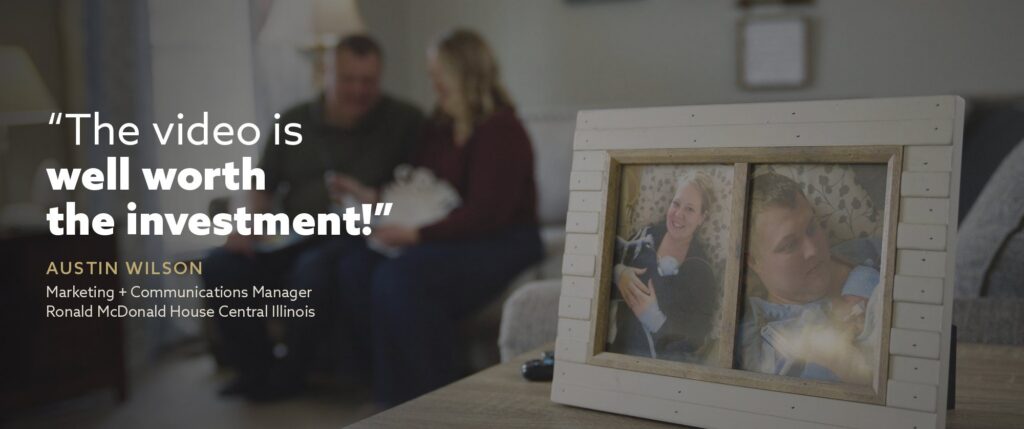
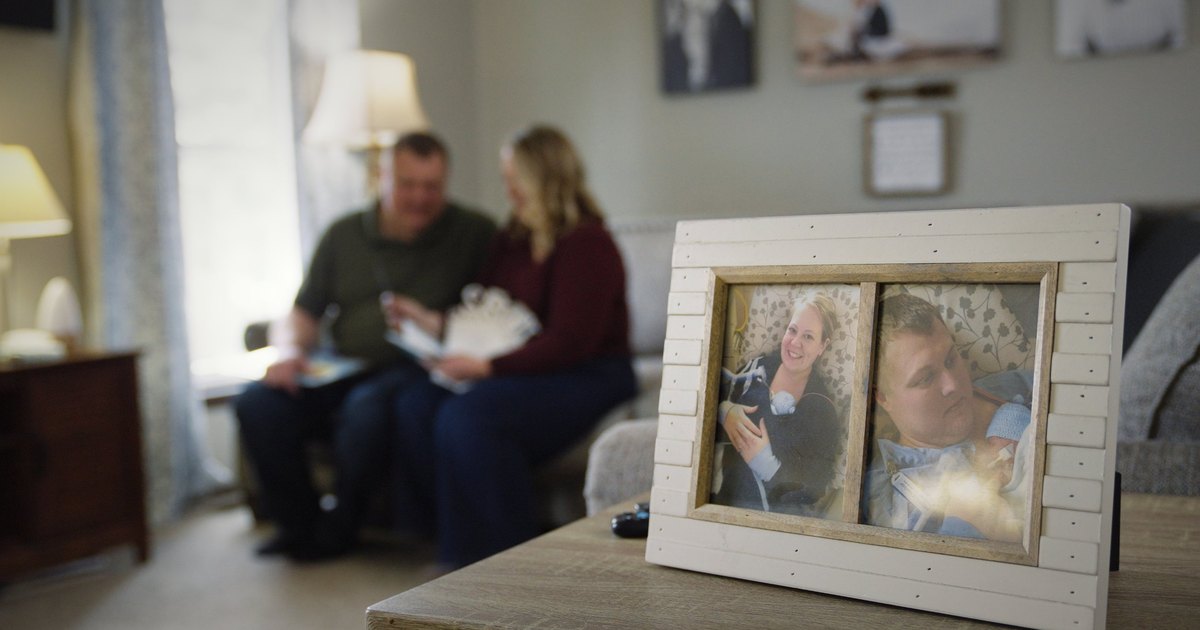
Ronald McDonald House Central Illinois played one family’s story right before the paddle raise at its Springfield Red Shoe Gala. The room gave $57,000.
Then the film left the ballroom. A $439 ad campaign in July showed it more than 2.1 million times, and people watched it 333,136 times.
A free room near the hospital
Ronald McDonald House Central Illinois gives families a free place to stay while their child is in the hospital. The Springfield house was one of the first 100 in a global system that now has more than 400.
Families never see a bill. McDonald’s corporate doesn’t fund the house, either. Local owner-operators help, and donors, partners, and events cover the rest. Amber Kaylor, the house’s CEO, describes the job in the film.
I always say that our job is to remove every other burden, so that all that family has to worry about is the health and well-being of their child, because that’s all they should be thinking about during that time.
— Amber Kaylor, CEO, Ronald McDonald House Central Illinois
One family. No script.
Jobeth and Heath Sweeney were expecting twins. The pregnancy was normal until the night the boys were born. Owen and Isaac arrived at 25 weeks. Each weighed less than two pounds. They were rushed to St. John’s in Springfield.
The Sweeneys had jobs, a mortgage, and another child at home. Heath planned to sleep in the waiting room that first night. A nurse told him he couldn’t, and handed him paperwork for the Ronald McDonald House. The family stayed more than 100 nights.
Isaac got sick quickly. He needed emergency surgery at his bedside, and it couldn’t save him. His parents were close enough to get back in time to hold him and say goodbye.
We’re very thankful for the Ronald McDonald House, because if we would have gone anywhere else, we would not have made it back to the hospital in time, and we would not have been able to see his face, and to hold him like a baby should have been held, and to say goodbye to him.
— Jobeth Sweeney
Owen came home, and he’s thriving. The Sweeneys started a Jeep run the year he was born to raise money for the Ronald McDonald House. It’s going on year eight.
We sat with the Sweeneys in their own living room and let them talk. No narrator. No script. Austin noticed the difference from the other videos they had produced in the past. The Sweeneys “were able to be vulnerable, and they were comfortable, and they opened up,” he told us. “I feel like that was because they were at their house.”
The film opens with Jobeth’s first words.
“Everything about you gets questioned when you have to bury a child.”
The room gave $57,000
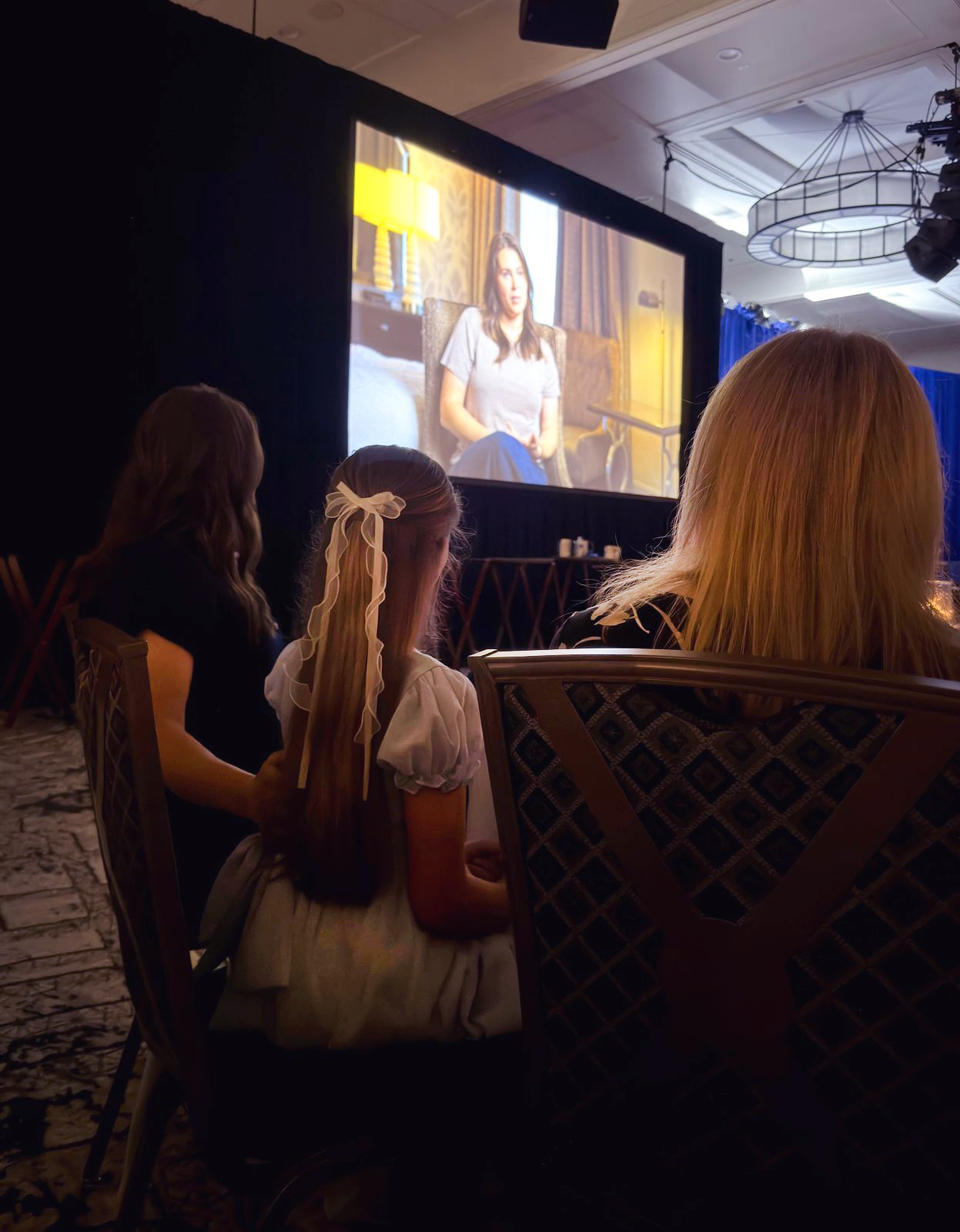
The gala cut runs just under six minutes. The room went dark, the film played on the big screen, and then the Sweeneys spoke in person. Austin Wilson, the house’s Marketing and Communications Manager, described the moment.
There wasn’t a dry eye with the Sweeney family. And so after that, people stood.
— Austin Wilson, Marketing and Communications Manager, Ronald McDonald House Central Illinois
The paddle raise came next, and the room gave $57,000. The first gift was $10,000, from a guest who gave right away.
The room gave more than ten times what the film cost in one paddle raise, and the first gift alone nearly doubled it.
We won’t claim the film raised every dollar. A gala room shows up ready to give, and that first donor had already planned to. A film hands the room a reason. Austin said it better.
The impact is so big and it encourages them and also reminds them what our mission is, takes them back to the simplicity of it, that we’re here to help these people and it shows who you’re helping.
— Austin Wilson, Marketing and Communications Manager, Ronald McDonald House Central Illinois
Then the film had a second life
Most gala films play once. Ronald McDonald House put this one to work again in July as a paid Meta campaign. Austin sent us the results.
- $439 in ad spend
- More than 2.1 million impressions
- 333,136 video views
- 357,840 engagements
- 213,442 clicks
That’s more than 750 views for every dollar. If every click were a person, the only venue in the world with enough seats would be the Indianapolis Motor Speedway.
Ronald McDonald House ran other paid campaigns in July, too. The Sweeney film took about a quarter of the month’s ad budget and delivered 80% of the impressions and 97% of the clicks. Dollar for dollar, it earned more than 11 times the impressions of everything else they ran.
This one is actually our top performing video of all time.
— Austin Wilson, Marketing and Communications Manager, Ronald McDonald House Central Illinois
Austin calls Meta ads “underpriced attention,” and he credits the result to “the quality of the video and the story itself.” We’d add one thing. People stop scrolling for a mother telling the truth, and ad platforms charge less to show the videos people choose to watch.
By repurposing the video for digital advertising, we extended its reach well beyond the gala and continued building awareness at a low cost. The video is well worth the investment!
— Austin Wilson, Marketing and Communications Manager, Ronald McDonald House Central Illinois
A gala reaches the people in the room. An ad campaign reaches families in other towns who may need the Ronald McDonald House someday.
One shoot. Four films.
One shoot produced four cuts, each tailored for a specific context:
- A 5:55 feature for the gala
- A two-and-a-half-minute cut for social
- A one-minute cut
- A one-minute vertical cut for phones
Back for 2027
This was our first year making the gala film for Ronald McDonald House Central Illinois. We’re making the 2027 film, too.
A gala lasts one night. This film has played 333,136 more times since, on $439 of advertising. We’ve seen the same pattern with The National Children’s Cancer Society and HavenHouse St. Louis, and we publish what fundraising films cost so the math is easy to check.



we're storyteller studios
documentary-style film for brands & causes
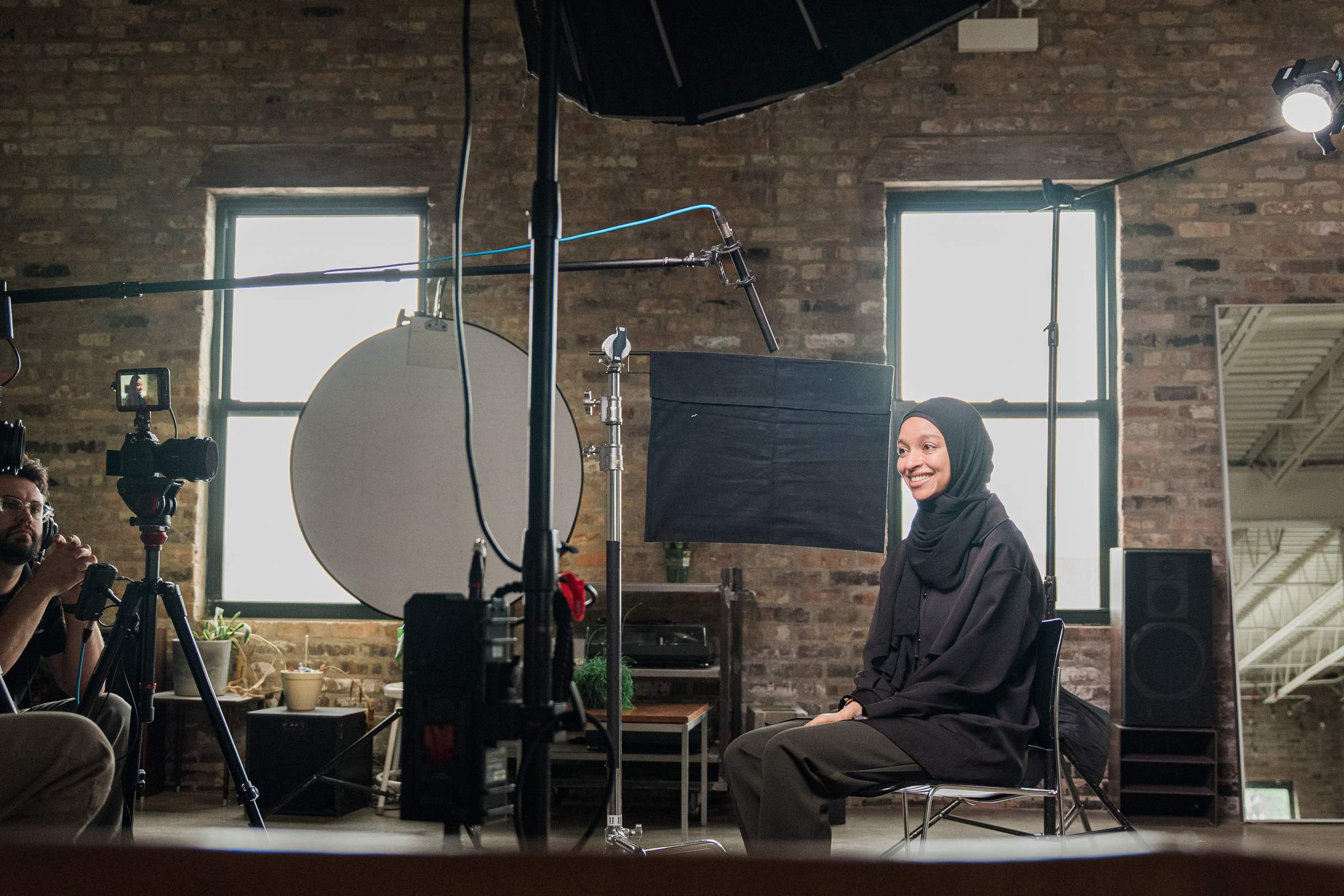
In 2013, we started leveraging the power of documentary-style film for brands and causes in our hometown of Springfield, Illinois (hence our affinity for Lincoln).
Since then, we’ve worked with clients nationally and traveled to cities including Chicago, St. Louis, Kansas City, Indianapolis, Louisville, and Des Moines.
No matter where you are, we’d be honored to serve your brand next.
featured post
The 7 Types of Videos People Watch and Share the Most
Some video types reliably outperform others. Here's the framework we use to choose the right format for each project, and why story-driven choices outperform formula every time.
